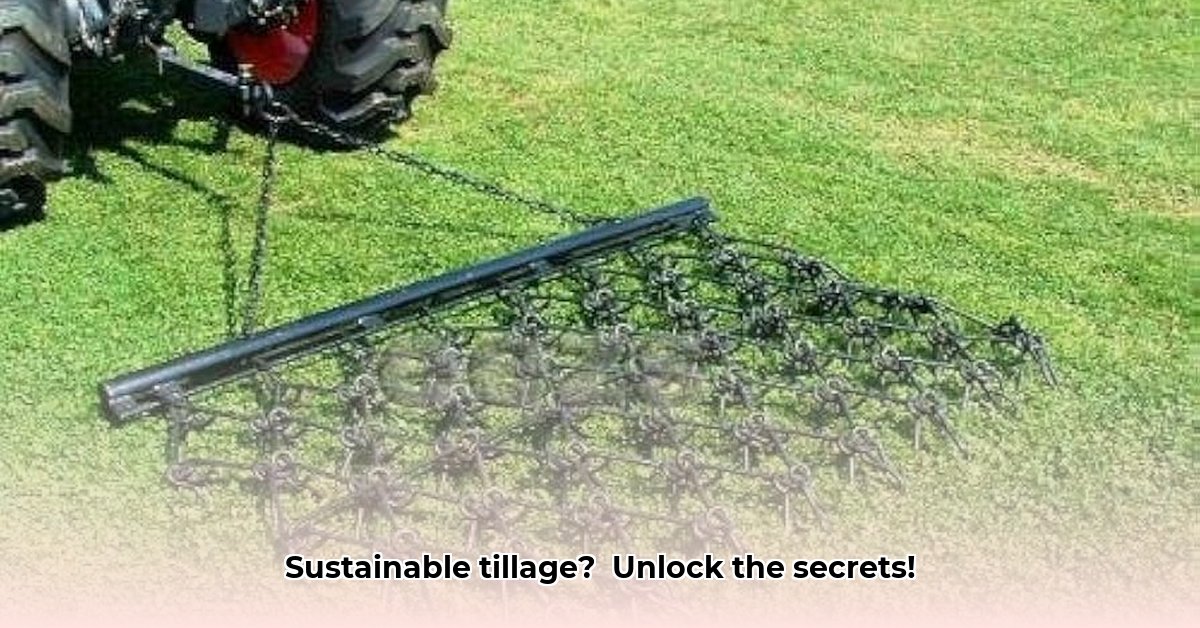
Choosing the Right Lawn Tractor Harrow Drag
Selecting the appropriate drag harrow is paramount for effective and sustainable tillage. Consider your lawn tractor's size and your soil's characteristics. A lightweight harrow is suitable for lighter soils; heavier models tackle tougher, clay-like soils more effectively. Examine tine spacing—closer spacing is better for finer soil preparation, while wider spacing is more appropriate for coarser tasks. Durable materials, such as steel, are preferred for longevity. Have you considered the working width in relation to your garden size and tractor maneuverability? Remember, the right tool significantly impacts efficiency and results. For more information on tractor attachments, check out this helpful resource.
Preparing Your Equipment: A Pre-Operation Checklist
Before commencing, inspect both your tractor and the harrow. Ensure your tractor is properly maintained—check fluids, tire pressure, and the condition of blades. The harrow should be thoroughly checked for damage or loose components; tighten or replace any loose or broken parts for safety. Correct attachment to your tractor's hitch is crucial; consult both your tractor's manual and the harrow's instruction for proper installation. A well-maintained machine ensures safe and efficient operation. Does your tractor have enough lifting capacity for the harrow's weight?
Operational Techniques: Mastering Sustainable Tillage
This section details optimal techniques for achieving improved soil health. Begin slowly, gradually increasing speed as you gain experience. Maintain consistent depth; too shallow is ineffective, while excessively deep harrowing can damage soil structure. Multiple passes are often necessary, especially in heavier soils. Adjust your technique based on soil moisture—drier soil requires fewer passes than wetter soil. Safety is paramount; always operate the tractor carefully, maintaining control and awareness of your surroundings. What is the optimal speed for your soil type and harrow weight?
Post-Operation Care: Maintaining Your Essential Tool
Proper maintenance extends the life of your harrow. Clean any debris from the tines after each use to prevent rust and corrosion. Regularly inspect for wear and tear, repairing or replacing damaged parts promptly. Store your harrow in a dry location to prevent rust. This simple routine significantly extends its lifespan and ensures continued effectiveness. How often should you lubricate moving parts for optimal performance?
Integrating with Sustainable Practices: A Holistic Approach
Effective drag harrowing goes beyond the technique itself. Integrate it with other sustainable farming practices for optimal results. Consider using it in conjunction with no-till methods, cover cropping, or crop rotation. Regular soil testing helps you understand your soil's needs and optimize your harrowing strategy. Combining drag harrowing with these practices creates a synergistic effect, enhancing soil health and promoting sustainability. What sustainable practices complement drag harrowing most effectively on your farm?
Troubleshooting Common Issues: Addressing Challenges
Clogging is a common problem; using the appropriate harrow for your soil will minimize this. Uneven harrowing might need adjustments to depth or speed or indicate the presence of underlying obstructions. Damage to the harrow typically suggests striking a hidden object; careful pre-operation inspection is essential to prevent this. Proper preparation and maintenance minimize issues and ensure efficient operation. How do you address clogging or uneven harrowing effectively?
Conclusion: Embracing Sustainable Tillage
Sustainable soil management is crucial for long-term agricultural success. The lawn tractor harrow drag, when used correctly, is a valuable tool in achieving healthier soil, reduced erosion, and water conservation. Remember, continuous learning, observation, and adaptation are crucial for maximizing the benefits of this technique. Are you ready to implement sustainable tillage practices on your farm?